
As the world gradually transitions from the era of remote work back to office-based environments, a new paradigm emerges: Return to the Office (RTO) becomes the new Work From Home (WFH). This shift presents both challenges and opportunities for businesses navigating the complexities of hybrid work models.
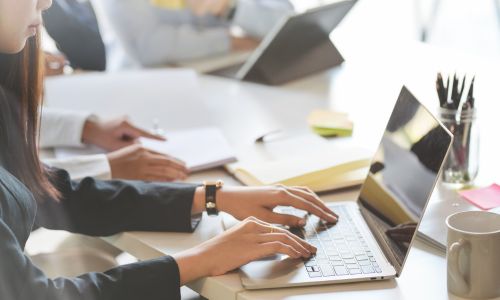
Companies are facing the challenge of enticing employees back to the office, often needing to reassess their workplace policies, amenities, and overall environment to meet the evolving needs and preferences of their workforce. Strategies such as offering flexible work arrangements, prioritising safety measures, and creating appealing office spaces that foster collaboration and well-being are becoming increasingly important for companies looking to attract and retain talent in this new era of work.
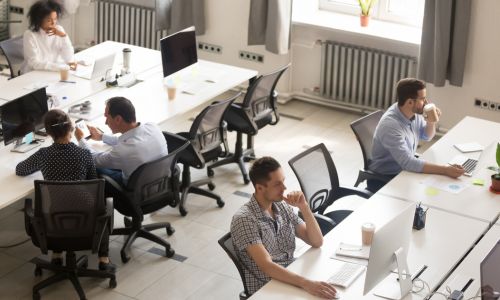
At Modern Office, we understand the importance of creating dynamic, adaptable workspaces that cater to the evolving needs of today's workforce. Here are a few ways embracing RTO with Modern Office's expertise can redefine the workplace experience:
- Flexible Work Solutions
Just as WFH offered flexibility, RTO demands adaptable solutions that accommodate varying work styles. Modern Office specialises in designing versatile workspaces that support both collaborative endeavors and individual focus. From modular furniture arrangements to agile meeting areas, we tailor solutions to suit the diverse needs of your team. - Enhanced Collaboration
While remote work facilitated virtual collaboration, nothing quite compares to face-to-face interaction. Our design approach prioritises collaboration hubs, equipped with state-of-the-art technology and ergonomic furnishings, fostering seamless teamwork and idea exchange. Whether it's brainstorming sessions or impromptu discussions, we create spaces that inspire innovation and camaraderie. - Safety and Well-being
Amid ongoing health concerns, ensuring a safe work environment remains paramount. Modern Office integrates health-conscious design elements, such as antimicrobial surfaces on chairs to promote employee well-being and peace of mind. Our commitment to creating healthy workplaces aligns with the evolving priorities of post-pandemic office culture. We also have a large range of ergonomic furniture that encourages movement whilst working and keeps comfort levels high during long work hours. - Tech Integration Technology is the backbone of modern work, bridging the gap between physical and virtual realms. Our expertise in furniture with tech integration facilitates connectivity during meetings and our accessories ensure tidy and hazard-free workspaces.
- Employee Engagement
A thriving workplace is one where employees feel engaged and valued. Modern Office goes beyond aesthetics, designing spaces that reflect your company culture and values. From vibrant common areas to personalised workstations, we craft environments that inspire creativity, foster a sense of belonging, and promote employee satisfaction.
In the transition from WFH to RTO, Modern Office serves as your trusted partner, guiding you through every step of the journey. Our holistic approach combines innovative design, advanced technology, and a deep understanding of workplace dynamics to elevate your office experience. Together, let's embrace the new era of Return to the Office, where productivity, collaboration, and well-being converge in inspiring workspaces designed for success. Contact us today!